

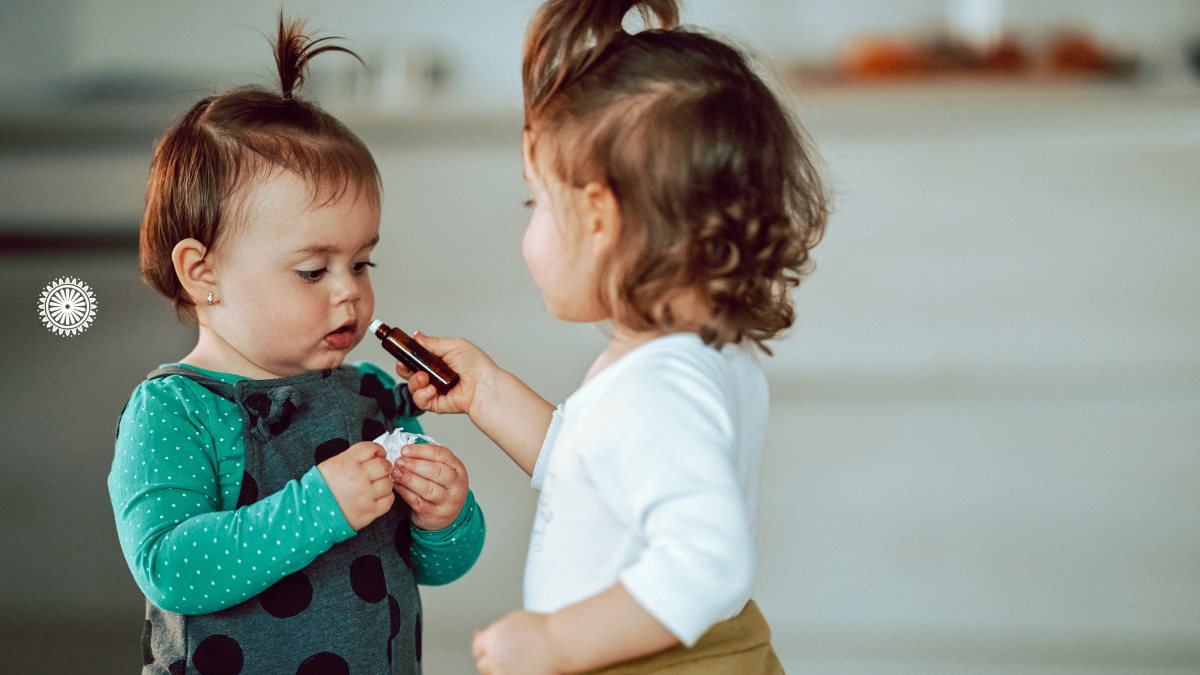
We understand the importance of safe and mindful use of essential oils, especially when it comes to our little ones. Essential oils have potent properties that can benefit overall well-being, but they must be used with caution, particularly with babies, toddlers, and children. Here’s a comprehensive conservative guide to safe essential oil dilution ratios for different age groups, ensuring a nurturing and safe experience for your child and your family.
Table of Contents
Essential Oil Dilution Ratios per age group
According to the Tisserand Institute, essential oils should be highly diluted when used with infants, with a recommended dilution of 0.1% to 0.2% (Tisserand and Young, 2014). Similarly, the International Journal of Aromatherapy suggests a dilution of 1% to 2% for children aged 6-15 years (International Journal of Aromatherapy, 2007). These guidelines emphasise the importance of safety when using essential oils, especially with young children.
We have taken a conservative approach as we believe we can never be too careful when it comes to our little people. Before any use of essential oils, we recommend patch testing on a small area to ensure neither you or your child has any sensitivities or reactions to the oils. Although we use only premium quality essential oils as close to organic as possible, all humans are unique and we can never determine how our bodies will respond.

Newborns (0-3 months)
For newborns, it’s recommended to avoid direct use of essential oils. Instead, opt for indirect methods like diffusing in the air or using hydrosols for gentle aromatherapy.
Infants (3-12 months)
For infants, essential oils should be highly diluted. Use 0.1% to 0.2% dilution, which means 1-3 drops of essential oil per 15 mL of carrier oil. This gentle ratio ensures safety while offering the benefits of aromatherapy.
Toddlers (12-24 months/1-2 years)
As toddlers grow, they can tolerate slightly higher dilutions of 0.25% to 0.5%. This translates to 2-4 drops of essential oil per 15 mL (1 tablespoon) of carrier oil.
Toddlers and children (2-6 years)
For children in the 2-6 year age range, it’s important to use a moderate dilution to ensure safety and effectiveness. For toddlers, a slightly higher dilution of 0.25% to 0.5% is appropriate as outlined above. However, for young children a dilution of 1-2% is appropriate which means adding 3-6 drops of essential oil per 15 mL (1 tablespoon) of carrier oil.
Young Children (6-15 years)
Children in this age group can tolerate a higher dilution of 1% to 3%. Use 4-9 drops of essential oil per 15 mL (1 tablespoon) of carrier oil for topical application.
Teens and adults (15 years and older)
Teens can generally use essential oils at adult dilution levels, which range from 2% to 4% depending on the specific essential oil and purpose. This means adding 6-9 drops of essential oil per 15 mL (1 tablespoon) of carrier oil.
The Risks of Incorrect Essential Oil Dilution Ratios
Using essential oils without proper dilution can pose risks, particularly when applied to babies, toddlers, and children. Here are the potential hazards of not following the recommended dilution ratios for each age group:
Newborns and Infants (0-12 months):
Newborns and infants have delicate skin and developing immune systems. Applying undiluted or improperly diluted essential oils can lead to skin irritation, allergic reactions, or respiratory issues (Tisserand and Young, 2014).Toddlers (1-2 years) and Young Children (2-6 years):
Young children are more vulnerable to adverse effects from concentrated essential oils. Inappropriate dilutions can cause skin irritation, sensitisation, or even systemic toxicity (Buckle, 2015).Children (6-15 years):
Improper dilution in older children can still result in skin reactions, respiratory issues, or other adverse effects. It’s essential to use moderate dilutions to ensure safety and effectiveness (Price and Price, 2012).
By adhering to the recommended dilution ratios for each age group, you minimise the risks associated with essential oil use and promote a safe and beneficial experience for your child. Always prioritise safety and consult with a qualified aromatherapist or healthcare professional when in doubt.
Why Choose Shine Om Natural?
We prioritise the well-being of your family. Our essential oil blends are meticulously crafted with your families safety in mind. Although our general essential oil blends are crafted for adults in mind, we offer custom roll-on proportions tailored to different age groups, ensuring the perfect dilution for your little one.
When you order from our website, simply leave a purchase note outlining your child’s age. Our expert artisans will prepare the blend at no extra cost, specifically calibrated for safe and effective use. We believe in empowering parents with the right tools for natural self-care, backed by the beauty of nature’s bounty.
We’re dedicated to providing you with natural self-care solutions that promote a comforting, nurturing experience for both you and your child. You can rely on us for premium, nurturing self-care solutions that celebrate the beauty and potency of nature’s botanicals. Let us be your guide in exploring the world of aromatherapy, promoting wellness and connection through our artisanal blends.
Our Commitment to You
We are more than a brand—we are your trusted companions on your wellness journey. We provide not only premium essential oil blends but also comforting, calming, and nurturing assurance that our products are crafted with your family’s wellbeing in mind. Let us support you through the world of aromatherapy with wisdom and sincerity, enhancing your connection to the beauty of nature and the well-being of your loved ones.
Remember, essential oils are powerful allies when used mindfully. With us, you can embrace the benefits of aromatherapy with confidence and peace of mind.
You can view our essential oil range and contact us if you have any further questions.
References:
- Tisserand, R., & Young, R. (2014). Essential Oil Safety: A Guide for Health Care Professionals. Churchill Livingstone.
- Buckle, J. (2015). Clinical Aromatherapy: Essential Oils in Practice. Churchill Livingstone.
- Price, S., & Price, L. (2012). Aromatherapy for Health Professionals. Churchill Livingstone.

